The Scoop on Dog Food Labels
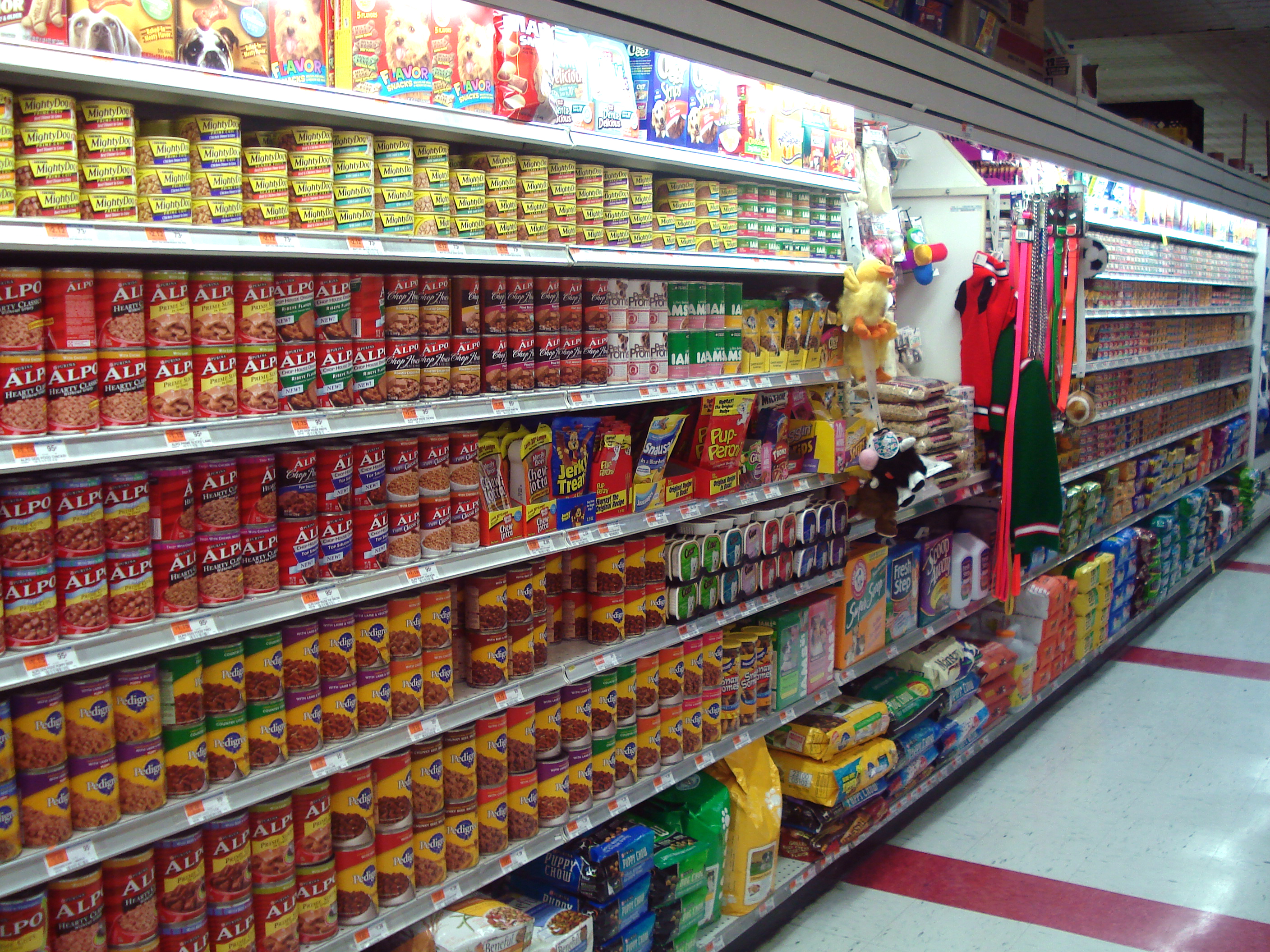 Is your tail in a knot over how difficult it is to find a quality dog food for your best friend? Feeding quality dog food products may be harder and more expensive than it seems, but oh so very important to your dog’s overall well-being and health. The shelves at grocery and pet food stores are filled with a variety of dog food products, including those that claim to be “all natural” or “organic.” Those words are a good place to start, but make sure after you read the big print, that you read the fine print, do some research and compare the label too.
Reading dog food labels
Quality dog foods will include real meat (not by-products) such as chicken, fish or lamb, high in protein. These proteins are needed for healthy growth, reproduction and energy. Some whole grains will be used in quality dog foods, such as brown rice or barley, providing complex carbohydrates for energy. Vegetables and fruit may also be included in quality dog food products because they provide your dog with the antioxidants, enzymes and fibers to get and keep your dog healthy.
But don’t believe everything you read. Words like “natural,” “choice,” “premium” don’t have any real meaning. The ingredients used in these dog food products are not regulated to be any better quality that any other “complete and balanced” dog food ingredient.
Avoid dog food containing poultry by-product (or any by-product) meal. Simply put this is the ground up part of a carcass of slaughtered poultry and may even include items like necks, feet, and intestines. Your pet’s dog food shouldn’t contain any artificial ingredients such as BHA, BHT, ethoxyquin, and propylene glycol. They provide no nutritional value and have been associated with possible toxic side effects. Ingredients like soy, corn, and wheat have been linked to allergic reactions in some dogs.
Resources to get the scoop on your dog food
Are you afraid that your dog food may have been recalled or unsafe? The U.S. Department of Health and Human Services offers this quick and easy to use website. Simply click on the tab that says “Animal Health” to find out what “animal health” products from dog food and treats to leashes and bed have been recalled and why.
Unfortunately this is not the only organization responsible for monitoring the dog food industry but it is divided between the:
American Association of Feed Control Officials (AAFCO), which is not a government agency with regulatory powers but is made up of representatives from government, dog food companies, the Pet Food Institute and the rendering industries.
The Food and Drug Administration (FDA), Center for Veterinary Medicine (CVM), which is according to their bulletin “is responsible for the regulation of animal drugs, medicated feeds, food additives, and feed ingredients, including pet foods… The Act does require that pet food, like human foods, be pure and wholesome, contain no harmful or deleterious substances, and be truthfully labeled.”
The Pet Food Institute (PFI) is “the voice of U.S. pet food manufacturers. They represent the manufacturers of 98 percent of all dog and cat food produced in the United States. They function as the industry’s media relations and representative before the U.S. Congress and state and federal agencies.”
The United States Department of Agriculture (USDA) is “is involved with regulations concerning pet food labeling and identification and the approval of pet food ingredients.”
Want to see how you dog food stacks up against all the others? Visit Dogfoodanalysis.com to find out. I was surprised; I bet you will be too!
Tags: Dog, Dog food, labels, nutrition, regulations
 Hi! My name is Doug Houskins, and YourDogZone.com is my site.
On this site, you can find some of my favorite dog training resources, a directory of
Hi! My name is Doug Houskins, and YourDogZone.com is my site.
On this site, you can find some of my favorite dog training resources, a directory of